
Finding a Roanoke County Property Owner
Work from the address to the parcel. Then let the tax map and owner name point into the land records. Roanoke County TaxView accepts address, owner, and parcel searches. So an owner's name can be the finish line rather than the starting point. The assessment card names the deeded owner and adds property detail. For the recorded instrument itself, the Circuit Court Clerk's SRA holds the deed index. The newest deed is the key check after a recent transfer.
Treat this as an evidence path. A single field is not an answer. The card can lag a new deed. The owner may be an entity rather than a person. Compare the same parcel and legal description across both systems. If the names disagree, read the recorded instrument and its capacity line. Do not assume one record is wrong.
- Search the property address in TaxView and open the matching blue parcel ID.
- Copy the tax map number, owner name, situs, mailing address, and legal description.
- Search the latest recorded deed through SRA or ask the Circuit Court Clerk for access.
- If the named grantee is an entity, check the Virginia SCC entity record for its legal name and filing details.
- Compare the deed description with the parcel before deciding who owns that specific tract.
Roanoke County Owner of Record Search
In TaxView, type an owner name in last-first order with no comma. WebPro recommends a last name alone for a broad match, and business names work too. An address search can skip the street type. The parcel field takes the full dotted tax-map number. When searching who owns a property, start with the most specific clue, then use the blue parcel ID to confirm the match.
The county's TaxView owner, address, and parcel search appears below. That screen is the entry point. Open the card, note the tax map, and move to the deed index whenever ownership just changed.
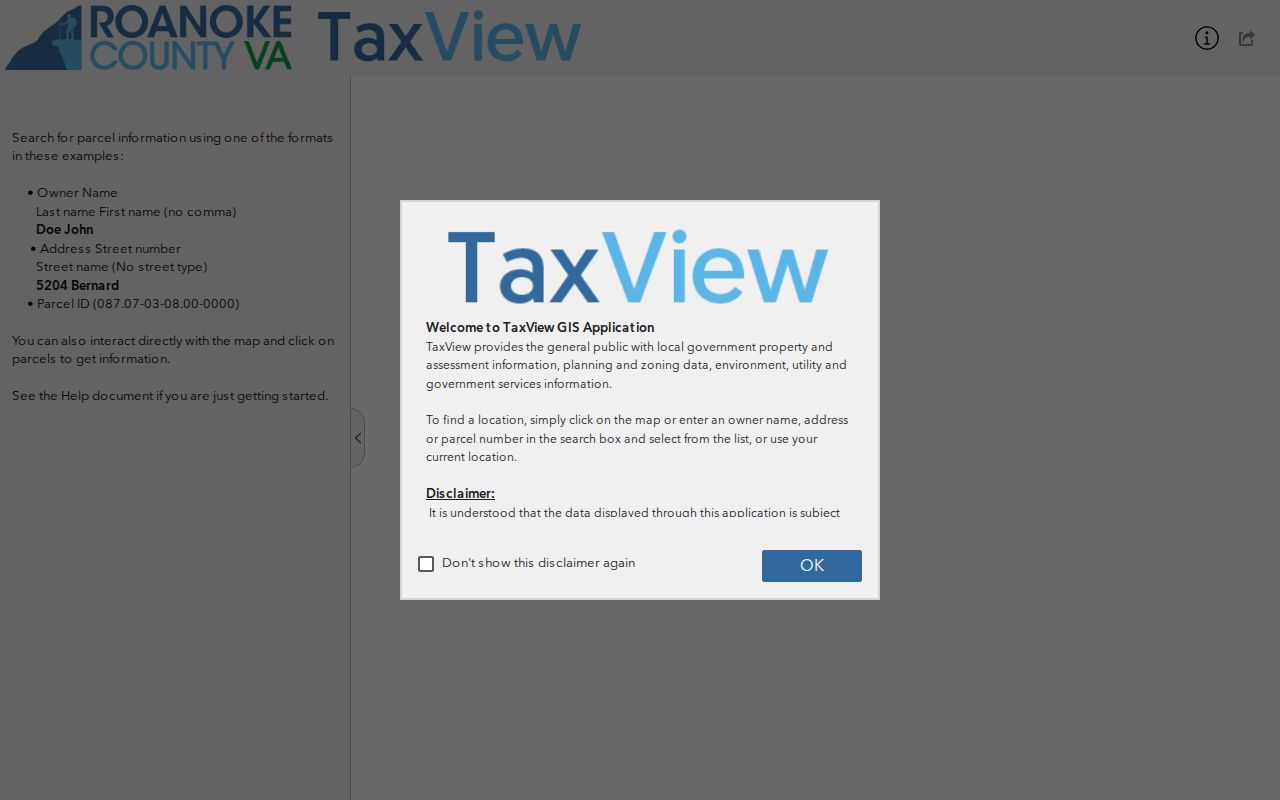
Roanoke County publishes its search modes but not the exact current-owner field label or the roll's lag after a closing. The card is a lead. Treat the owner name as tentative until the newest deed is checked.
Roanoke County Ownership Terms
A few terms keep the records straight. The assessor's owner name is whoever the valuation record carries, person or entity. A grantee receives an interest under a deed. Vesting describes how the instrument names that recipient and the form of ownership held. Situs is where the property sits; the mailing address is where tax notices go. Those fields can differ without touching the recorded land description at all.
- Owner of record
- The owner name shown in the county assessment or land record, depending on the source.
- Grantee
- The party receiving the interest described in a deed.
- Vesting
- The wording that identifies how a grantee takes an interest.
- Situs
- The property's physical location, distinct from a tax mailing address.
Confirming a Roanoke County Owner
When ownership turns on a sale or transfer, the recorded deed settles it. Roanoke County's land index covers deeds from 1838 to the present. Remote SRA access requires an approved application and a paid subscription. Published terms run $125 for three months, $250 for six, and $500 for a year. The public page does not show the authenticated search form or every field label.
Inside the account, search the grantee and parcel together if those controls are offered. Read the grantor, grantee, recording date, deed type, tax map, and legal description. An index name can look close to another. A transfer may also sit inside an estate. The deed chain matters in both cases. A property owner lookup is strongest when it follows the instrument to the same land. A similar name alone is not enough.
Sources for a Roanoke County Owner Name
County sources report ownership from different angles. The valuation roll ties an owner name to an assessment parcel. The land index captures the grantee and the transfer terms. GIS adds a map link and parcel context through its GIS map tools. The Virginia SCC can explain a registered business name. It creates no county land record, though. Pick the source that answers the exact question. Then compare identifiers across them.
| Source | Owner Info It Gives | Access |
|---|---|---|
| Assessment roll | Deeded owner name and tax parcel context. | TaxView/WebPro public search. |
| Recorded deed index | Grantee, grantor, instrument, and land description. | Approved SRA or Clerk's Office. |
| Virginia SCC | Entity name, registered agent, address filings, and UCC search. | Clerk's Information System. |
| GIS parcel viewer | Parcel shape and map key for the subject property. | OneView and TaxView. |
These records name the owner or entity, not the occupant of the building. A mailing address may point to a lender. It may also point to a post office box or another address kept for tax notices. An assessor result is not a title opinion either. The Roanoke County current-owner page covers the present roll field. It also covers the limits around recent transfers in more detail.
Roanoke County LLC and Trust Owners
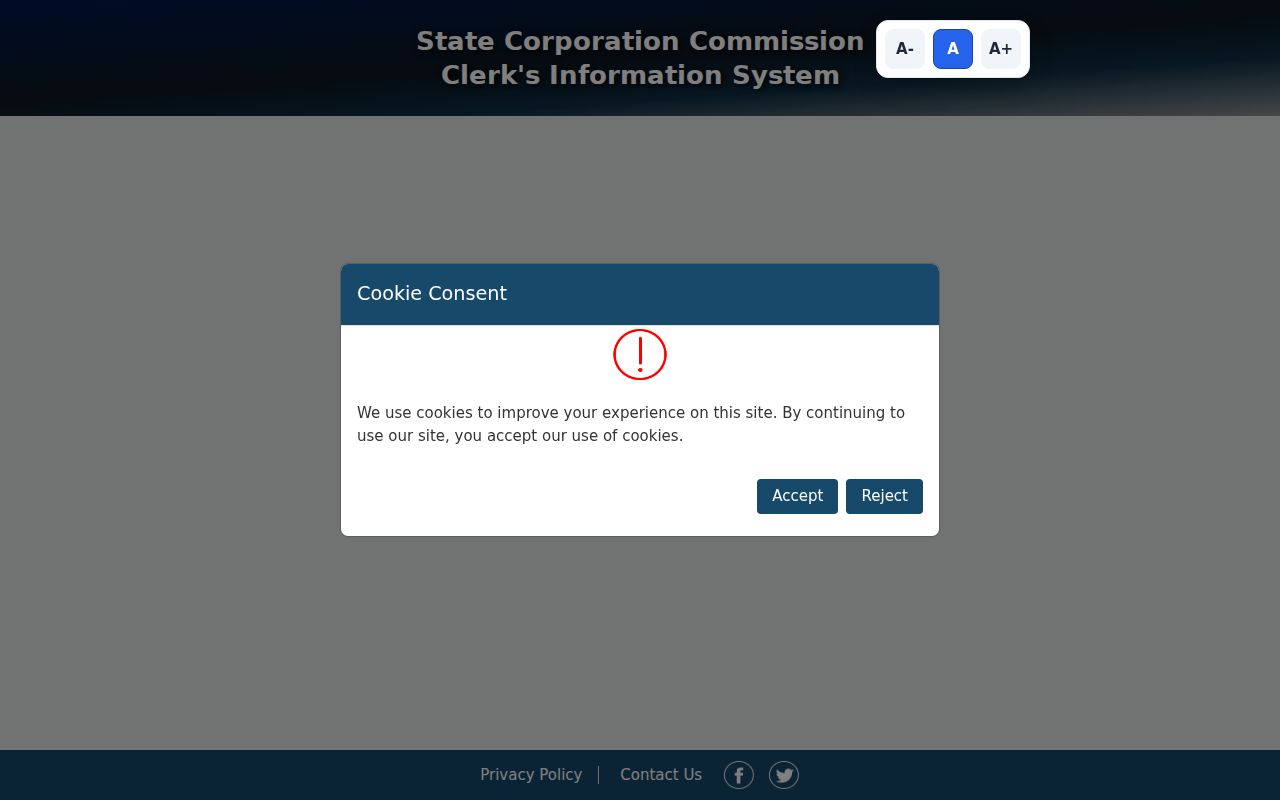
Plenty of parcels are titled to a company, trust, or estate. TaxView accepts business names. But the public record may not reveal the people behind a private arrangement. Search the exact entity name from the deed and compare it against the assessment card. Virginia's SCC Clerk's Information System searches business entities and UCC filings. It can verify a company's legal name or registered-agent record.
The Virginia SCC business search offers that separate entity lookup. Its filings do not prove a company owns a parcel. The county deed still supplies that link. Match the entity name, tax map, and deed description first. Only then treat a company record as the answer.
Roanoke County Estate Ownership
An estate often enters the property trail after an owner dies. In Roanoke County, the Circuit Court Clerk handles wills and fiduciary matters. An executor or administrator deed recorded later can tie two things together. It links the estate file to the land record itself. The SRA fiduciary index reaches back to 1994, and its images start in 2001. Virginia's Office of Vital Records holds state death certificates. They stay restricted until the public-opening period unless the applicant is eligible.
A death certificate alone proves nothing about who owns the parcel. Set the will or fiduciary appointment beside any court order and the recorded deed. Draw conclusions only then. Match the tax map and legal description too. An estate member can share a name with an unrelated person. And if a transfer is still pending, the public roll may lag behind the final grantee.
VADeed Alert for Owner Checks
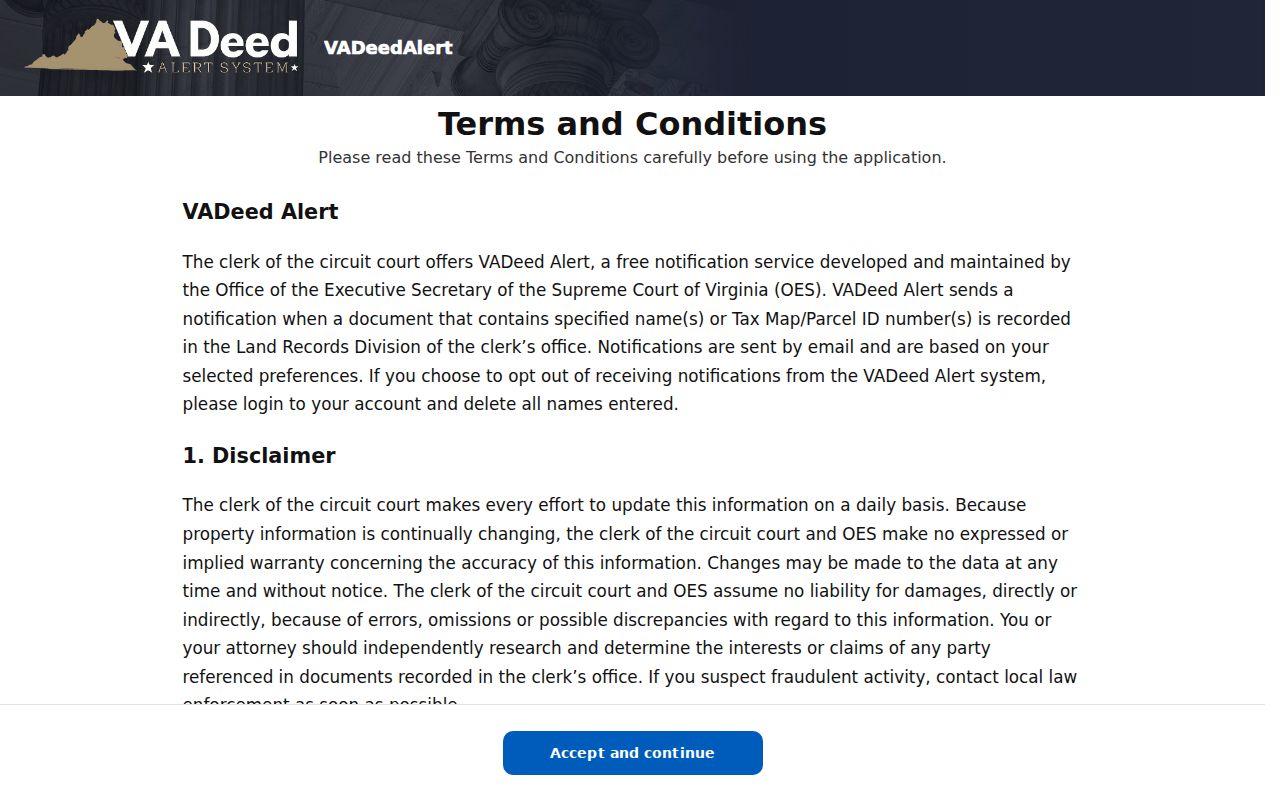
VADeed Alert is a free notification service. It flags new deed activity in Roanoke County property records. You can track a name, a business, or a tax map number. Think of it as a prompt, not a verdict. The service does not block a recording. It does not verify a deed or prove title. When an alert arrives, pull the county index entry. Compare its legal description against the parcel in question.
The county's VADeed Alert signup and login page handles enrollment. One caution applies. A common name can trigger a false match. It may have nothing to do with the property you care about. Always pair the alert with the tax map and document details. Do this before changing a record or acting on it.
Recent Roanoke County Property Sales
A deed often reaches the county recorder before the assessment record catches up. Roanoke County publishes no fixed roll-refresh schedule after a filing. So the gap between closing and the updated tax roll varies. That lag matters. If a sale closed recently, trust the newest recorded deed over the older assessment name. The card may still list the prior grantee. The tax map and legal description remain the surest way to confirm the deed. It shows whether the deed covers the same land.
For everyday owner lookup, the assessment card works well. After a fresh closing, the land index is the more current source. It captures the transfer itself. Keeping that distinction straight prevents an old card from being mistaken for a live title record. And if your question involves tax billing, mailing addresses, or assessment contacts, check back after the roll updates.
Limits of a Roanoke County Owner Search
A Roanoke County owner search has firm limits. It returns names in public property records and nothing more. It cannot confirm occupancy, private contact details, or unrecorded interests. It is never a substitute for a title search. Survivors of domestic violence, stalking, child abduction, sexual violence, or human trafficking may qualify for Virginia's Address Confidentiality Program. The program supplies designated addresses and mail forwarding. Protected information stays subject to those limits.
Lawful use. Use the public record for property diligence and civic research. Do not use an owner's name or address to stalk, harass, or harm anyone, and do not infer that an owner record identifies the occupant.